General safety and respect
The Stirling ranges are a very special area both from a flora and fauna point of view. There are numerous plants which grow nowhere else in the world and some are restricted to single peaks.
Fires and cooking
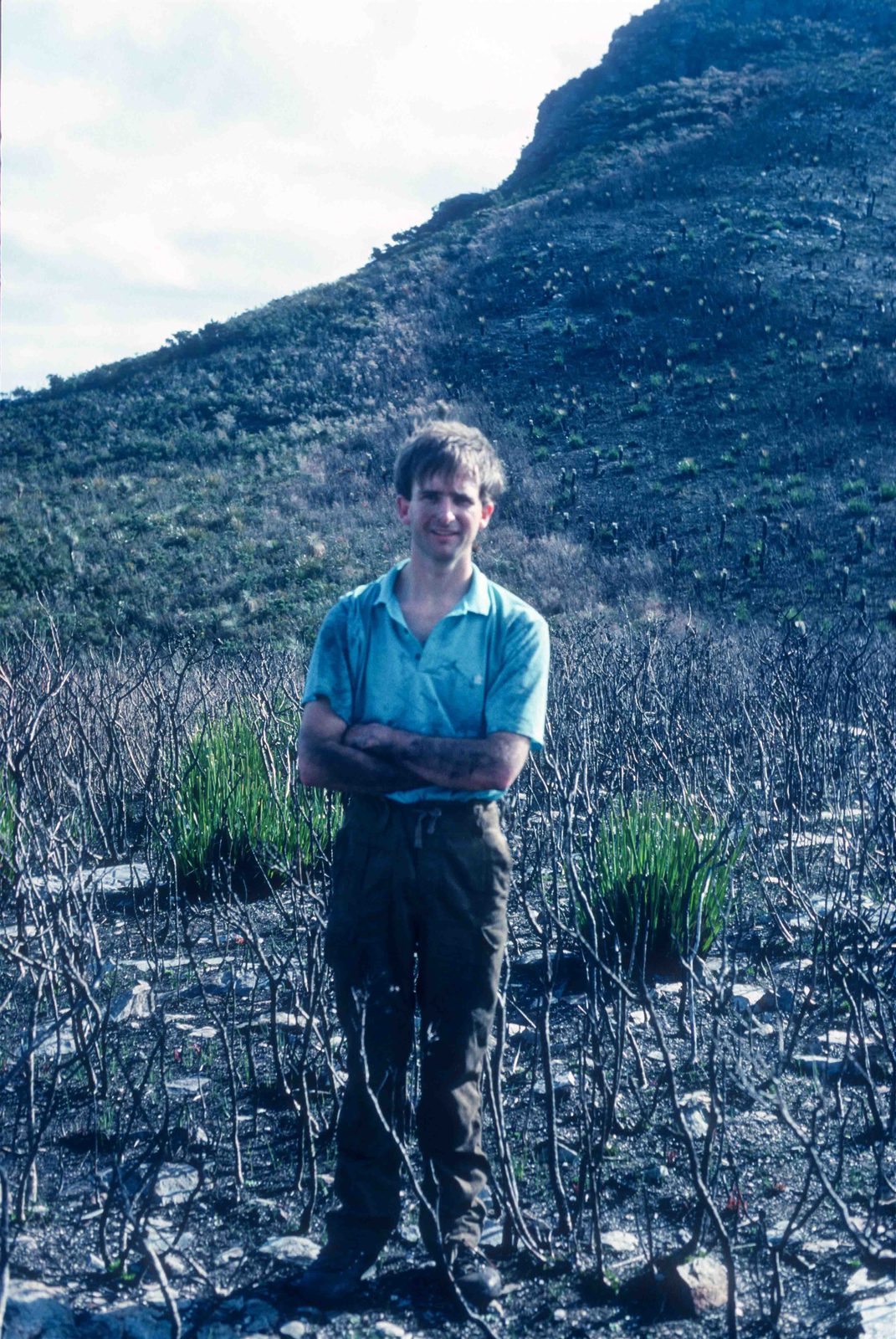
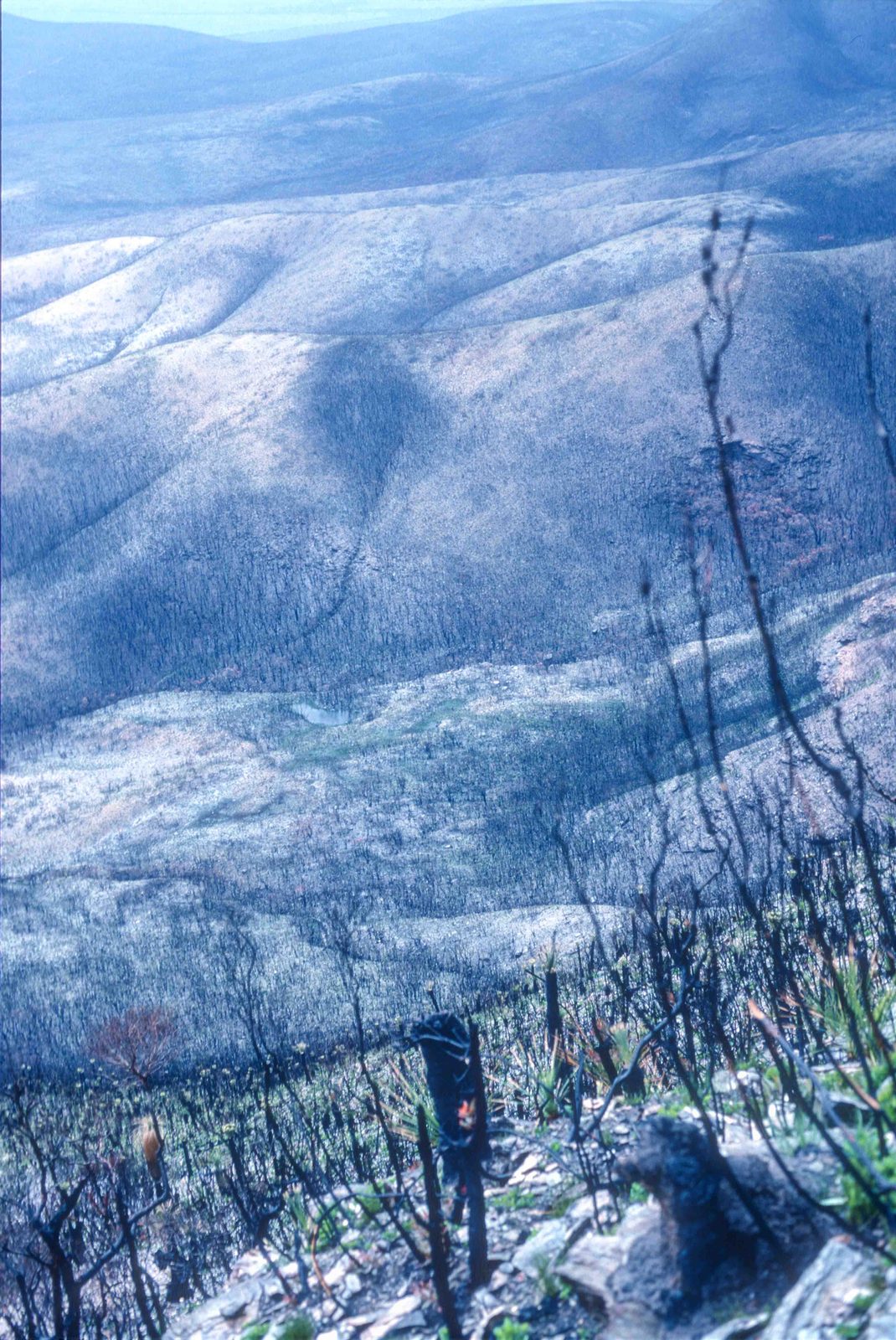
The area has unfortunately been ravaged by several bushfires in the last 40 years which has damaged the vegetation. The area is prone to bushfires partly because much of the vegetation goes through a cycle wherein after death it becomes compressed on the surface of the soil, a little bit like dry peat. It is dangerous to light campfires as the risk of uncontrolled fires leading to bushfires is high. Also, one has to take care when using camp stoves because it is possible to set the dry compressed ground vegetation alight, particularly in the northern plains area. So, you need to bring your own stove but take particular care when using it. In terms of food it is often useful to take dehydrated potato as this requires the least amount of water of any of the carbohydrate foods.
Water
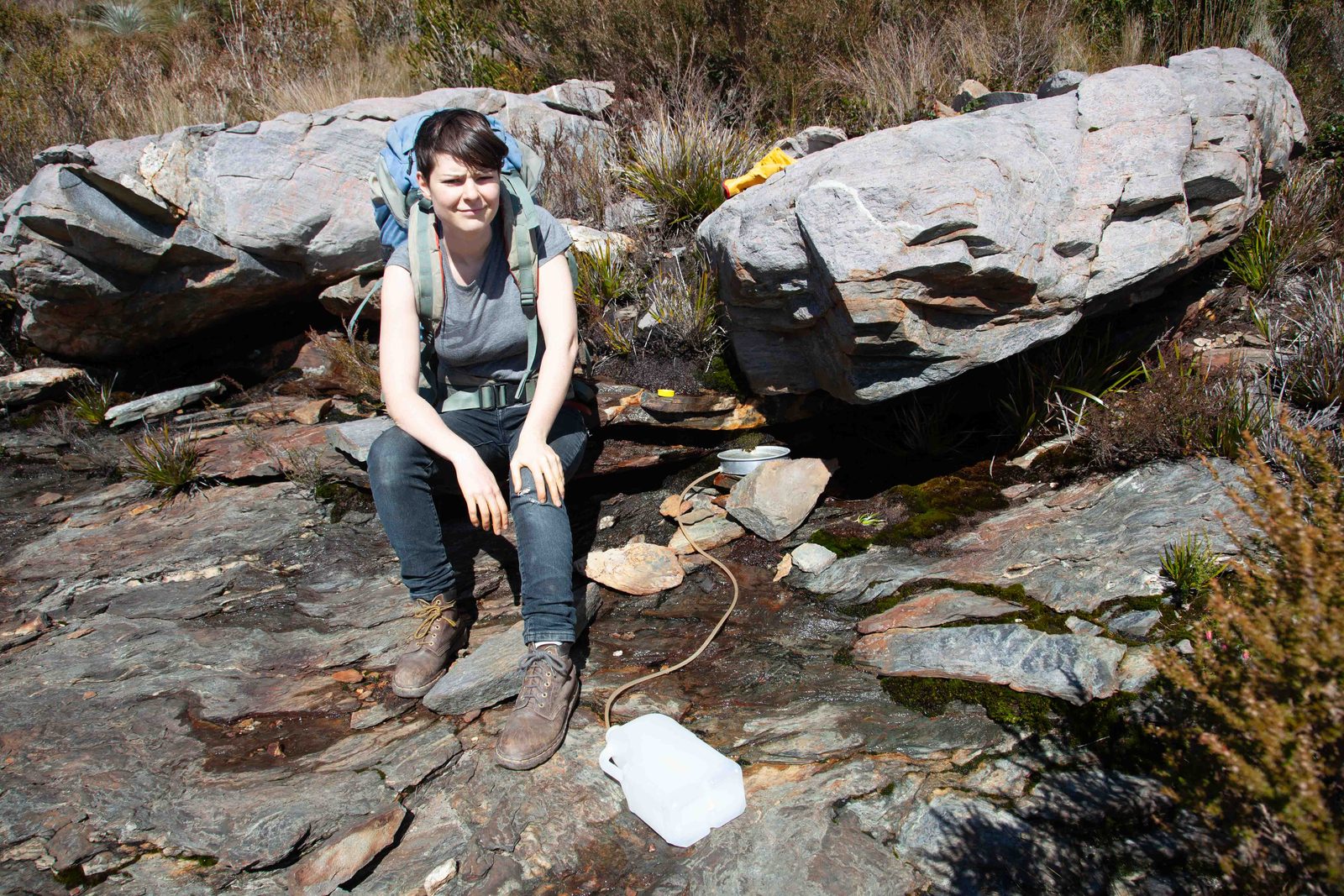
Basically, there is not much water. This is one reason why the best time of year to go hiking here is August and September, after winter when there is generally still some water in the peaks and many of the creeks are still flowing. It is often possible to gain water from Rocky drips on the peaks and you may wish to bring large, light pans for water collection. Some of the creeks on the north side of Bluff Knoll are salty. You need to carry enough water for the hike presuming that you will not be able to get much, if any water on the hike.
General bushwalking advice
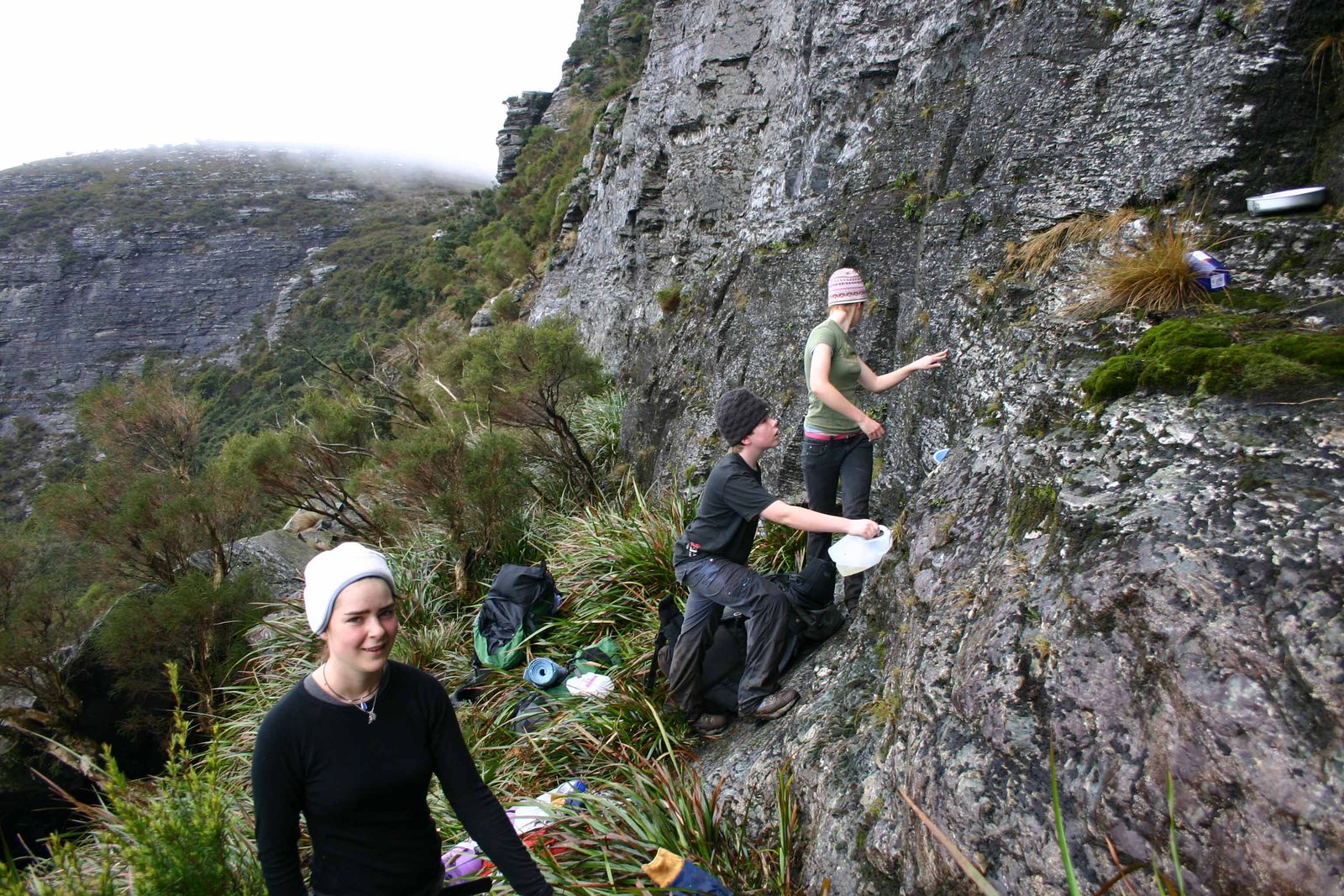
Go to your local hardware store and buy some leather gardening gloves and make sure that you bring them. You’ll find them incredibly useful particularly on the ridge where the sword grass and other vegetation is very sharp along with the rocks which are very sharp. You will need to hang onto sword grass and sharp rocks for some of the climbing. Make sure you wear sturdy boots and bring a beanie.
Camping
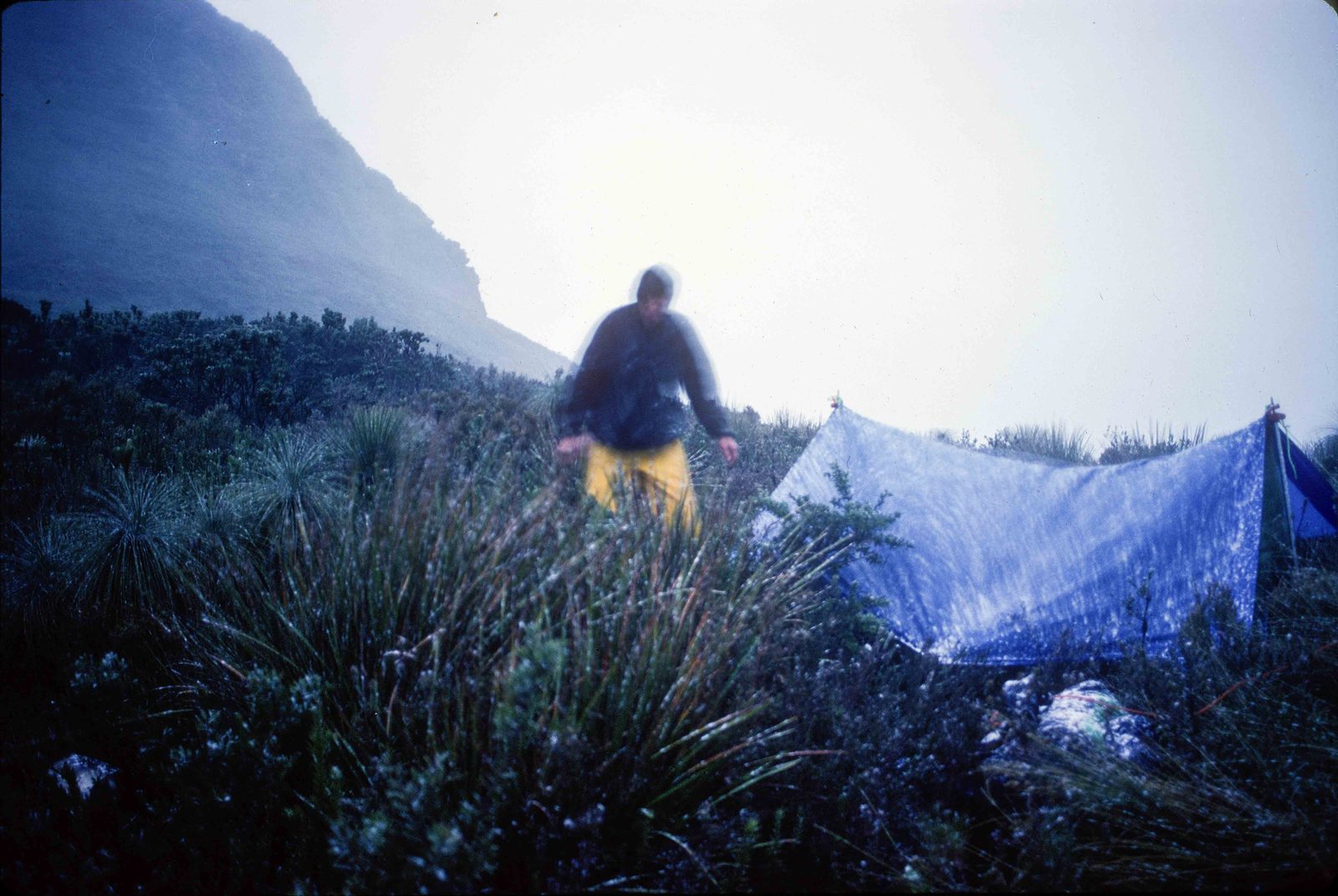
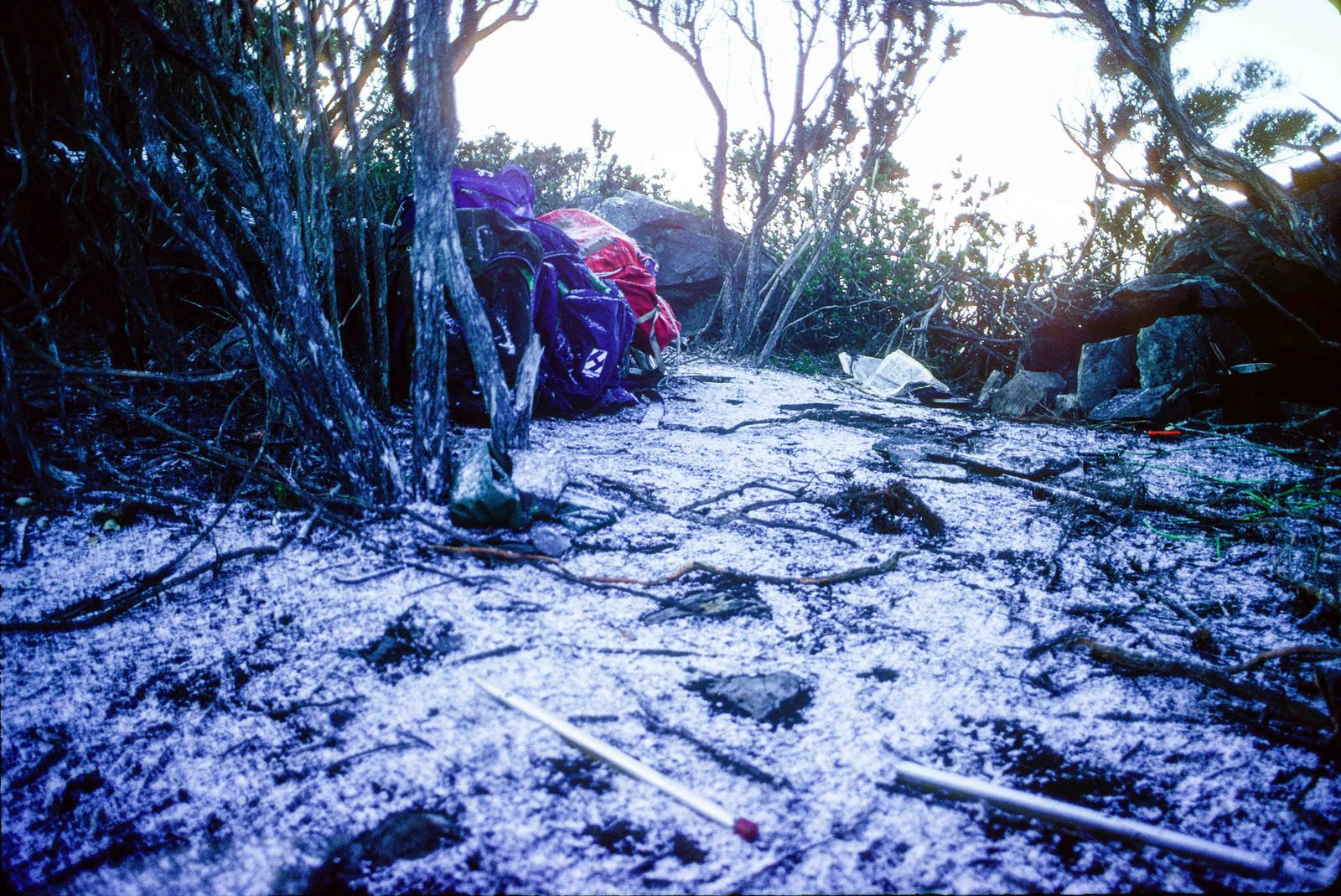
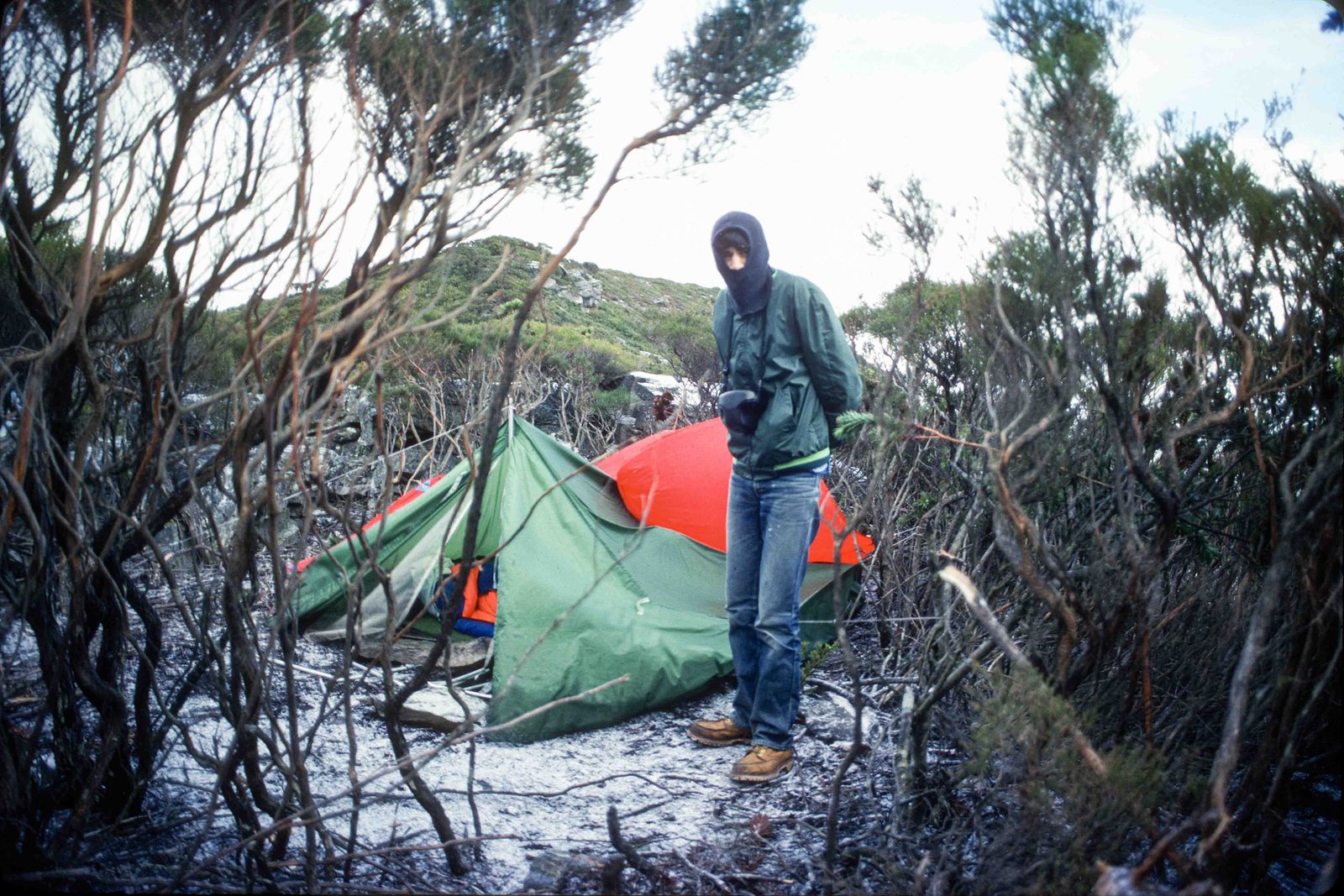
Camping on the ridge is usually an unforgettable experience. It is fantastic to camp on the top of Pyungorup for example. The sunset from here is spectacular and the scenery all the way round is terrific. The downside is that it is very exposed. The wind can be ferocious. As you lie on your thin mattress in the tent you will probably hear episodic loud whooshing sounds as the wind rises up the mountain side to batter your tent. It is curious that I’ve not heard this sound in other parts of the world. It is potentially one of the most memorable sounds that you will take home from the Stirling ranges. The tent needs to be robust and well pegged. There’s a chance you will be snowed upon and the evenings will be very cold. The snow often comes with wild windy weather. On one occasion five of us had to squash into a three man tent on Pyungorup after the wind had destroyed one tent. We woke to snow in the morning. The caves are quite protected and the saddles along the ridge are usually more protected as well. Make sure that you take good cold weather gear including down sleeping bags etc.
Time of year to go
Probably the best time of the year is late August or very early September when there is likely to still be some water dripping off the rocks on the peaks. The creeks on the plains are usually flowing nicely as well. The other advantage of this time of year is that the flowers are just coming out and can be spectacular on the ridge. The problem is that it can rain or snow upon you at this time so you have to be ready for this. Be careful about the risks you take in this sort of weather particularly around the first arrow. Do not hesitate to use the slower but safer track that takes you around the base of that arrow.
Places for seeing the wildflowers
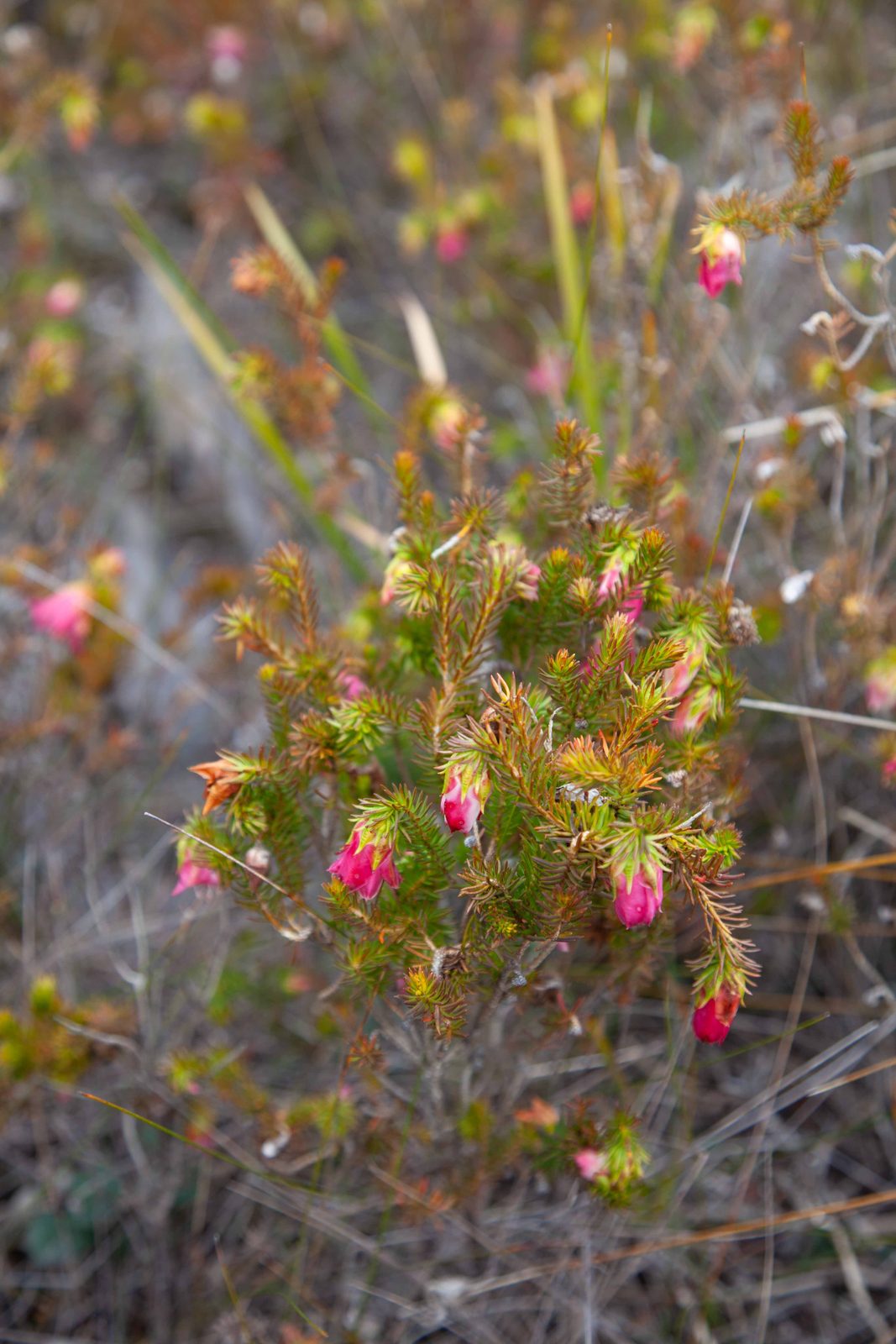
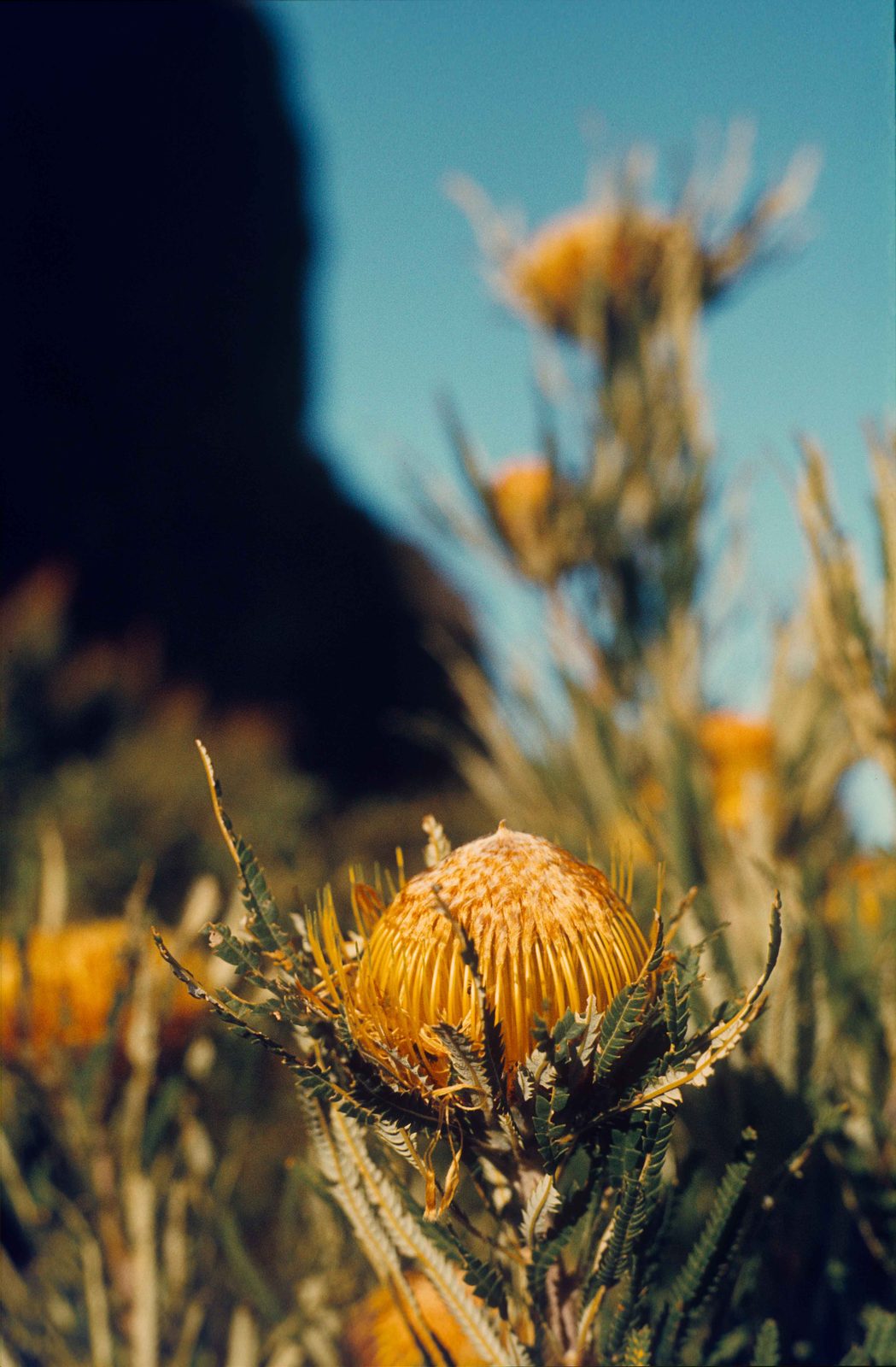
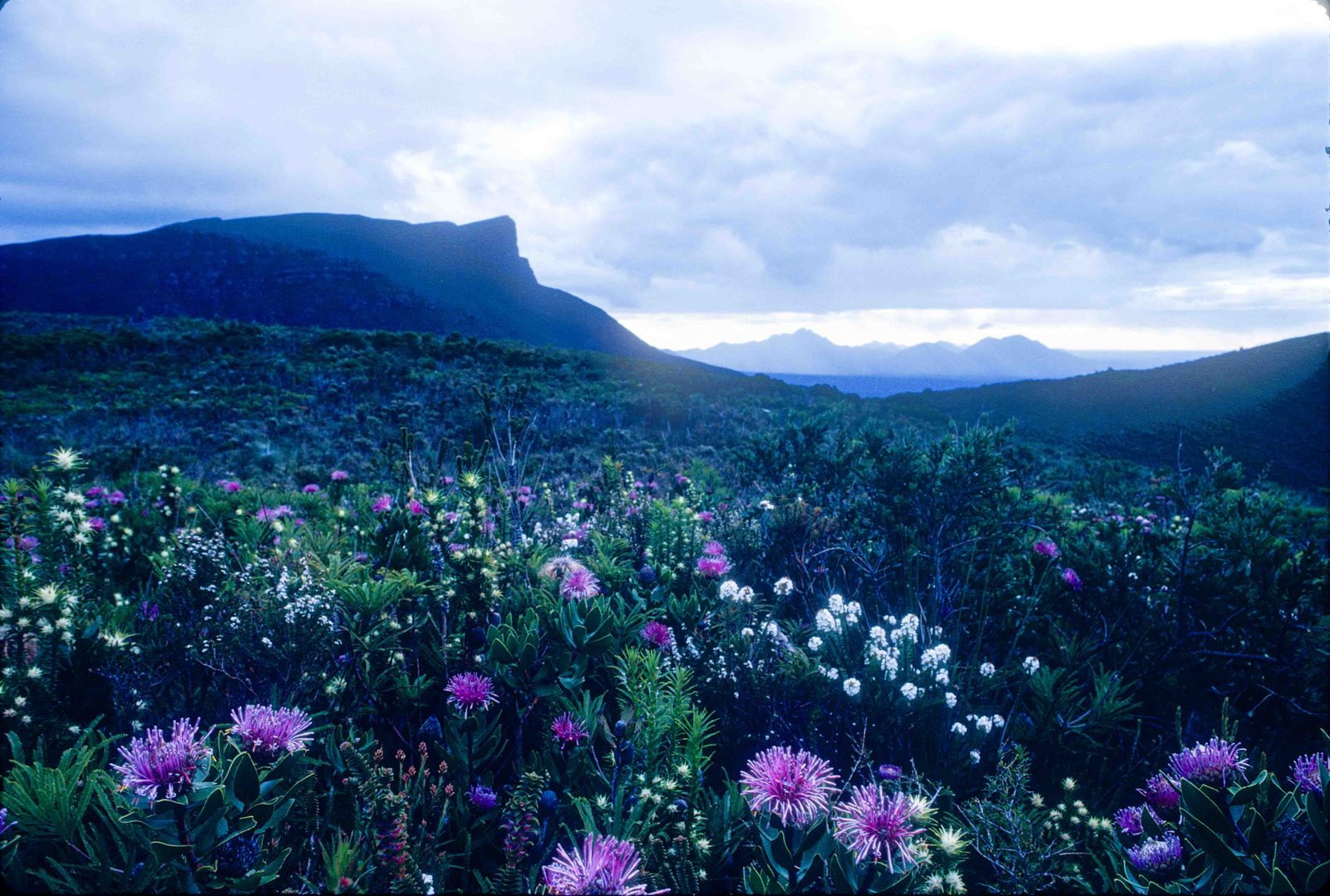
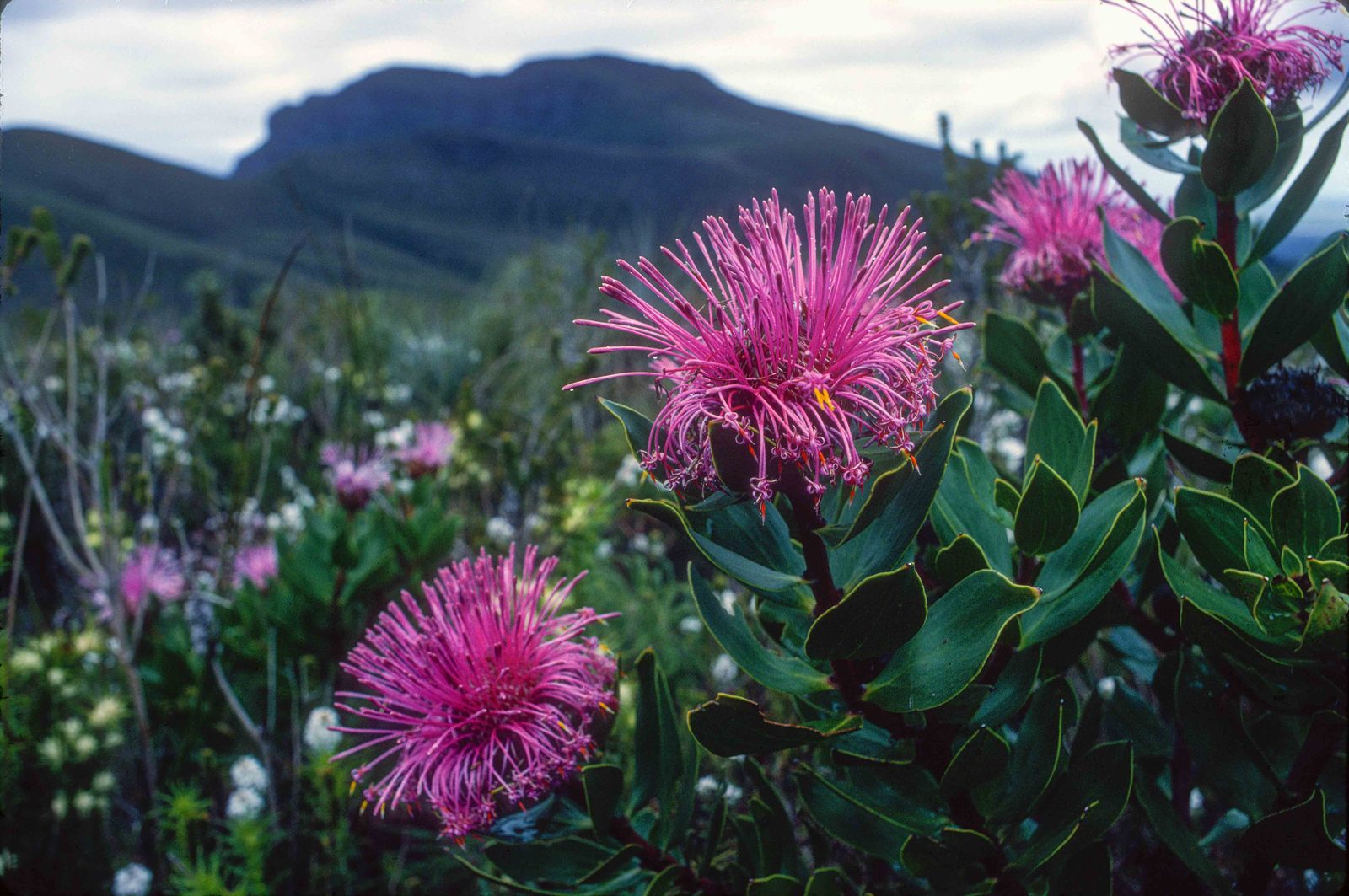
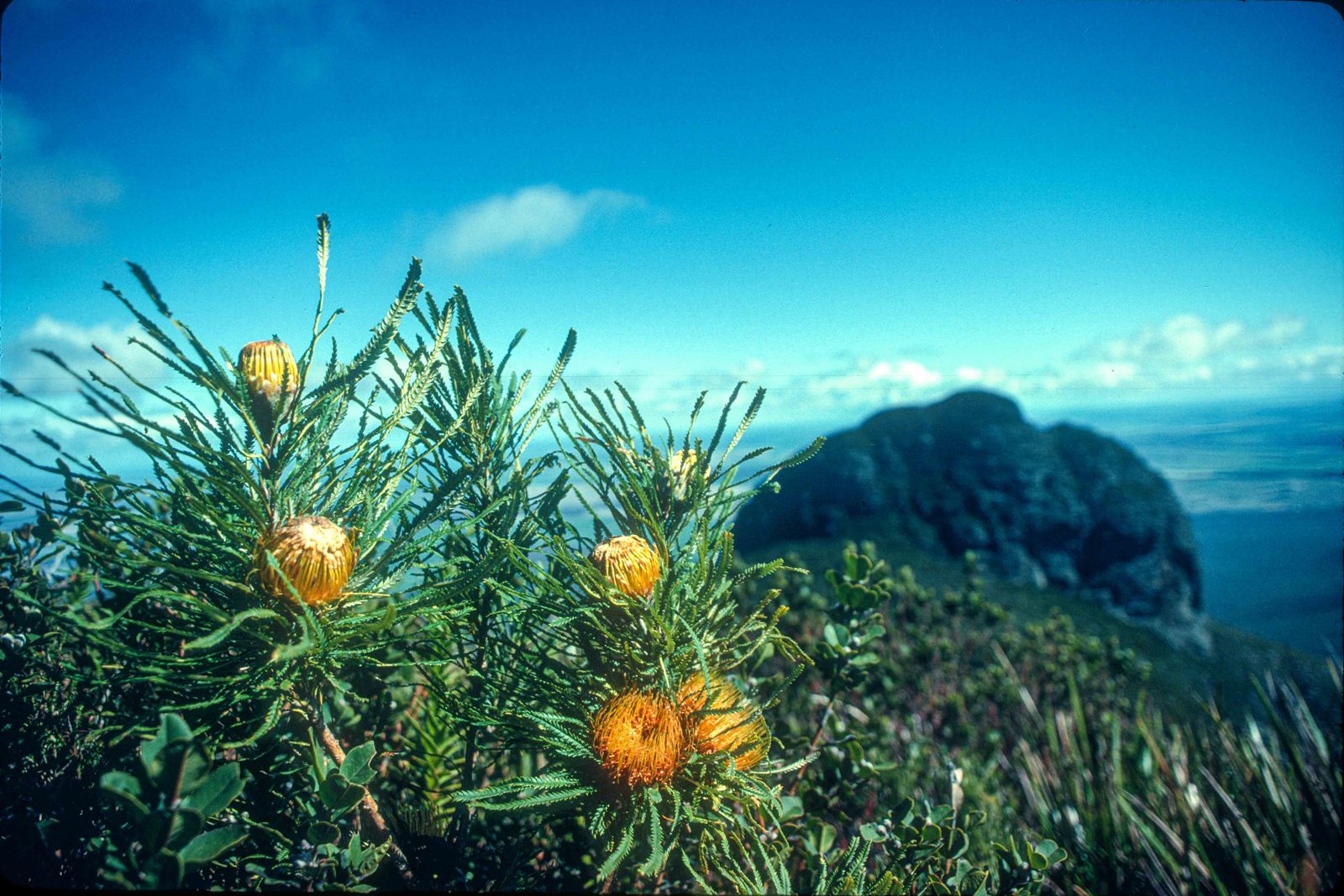
If you hike in August and September then you will see wildflowers particularly in September. There are several memorable places for viewing them. A small saddle between misery Hill and Ellen Peak used to have the most beautiful grove of Dryandra Formosa but this has been burnt out, although there are pockets of some recovery. The saddle between Ellen Peak and Pyungorup also has some lovely Dryandra Formosa and you will see some of this further along the ridge particularly around Isongorup and Moongoongoonderup. Isopogon Latifolius is probably the most stunning flower and this can usually be seen in clusters around Moongoongoonderup. Banksia Coccinea tends to prefer the plains and is particularly prolific on the southern plains close to the ridge leading up the south side of Ellen peak. There are many other noteworthy flowers, especially and including the Darwinia bells. These tend to stick to the peaks. You will almost certainly see some of these.
Animals
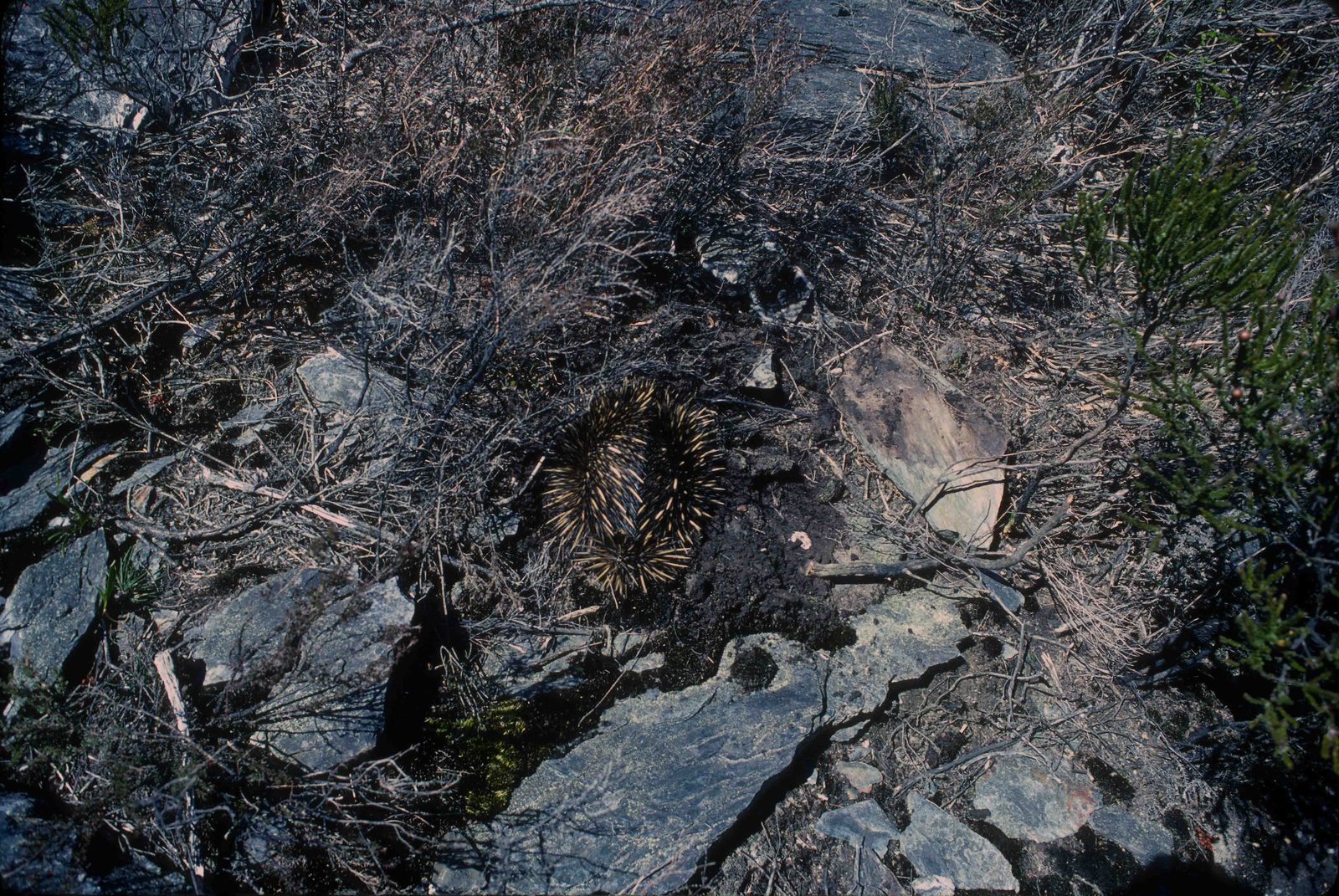
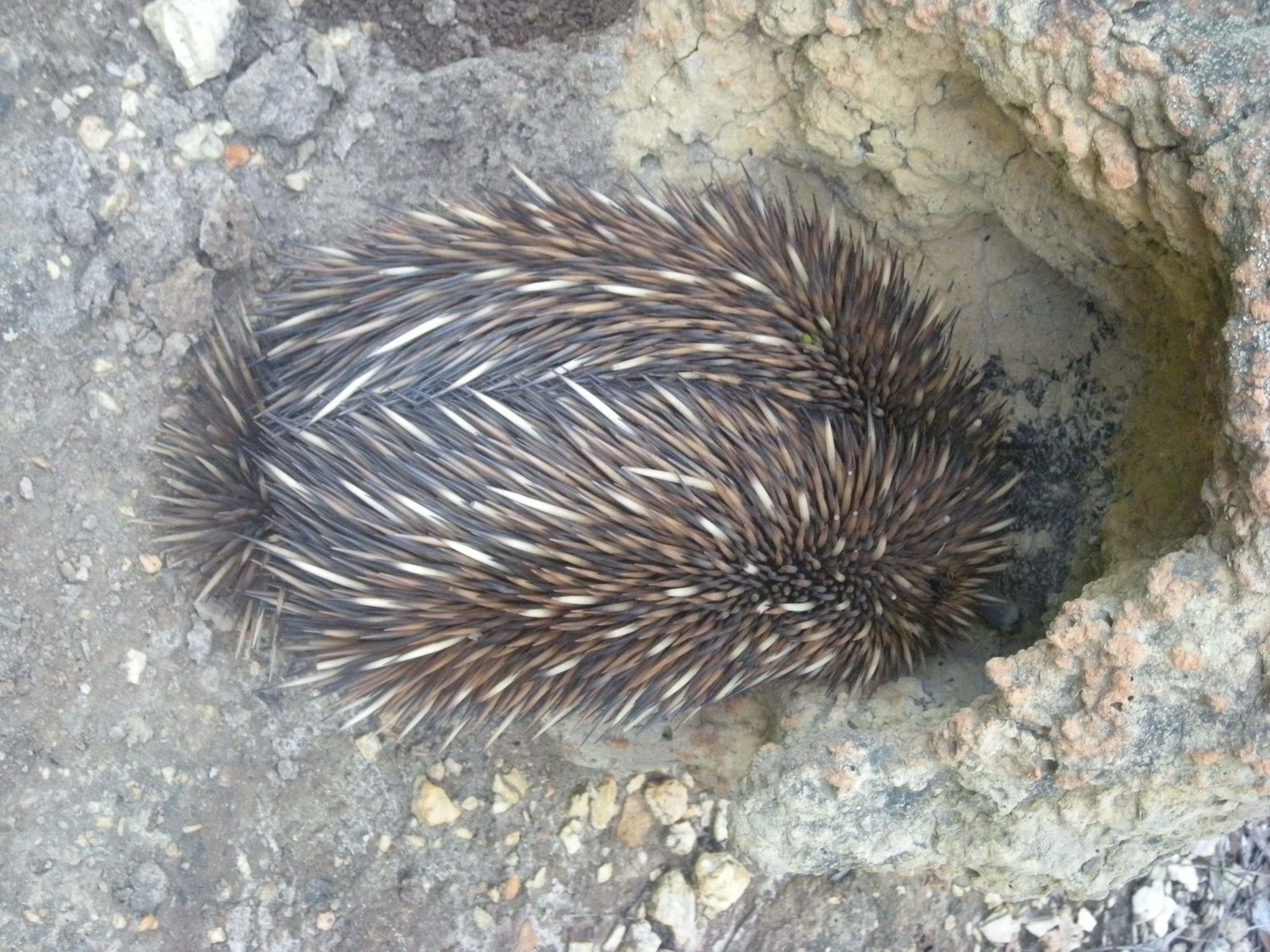
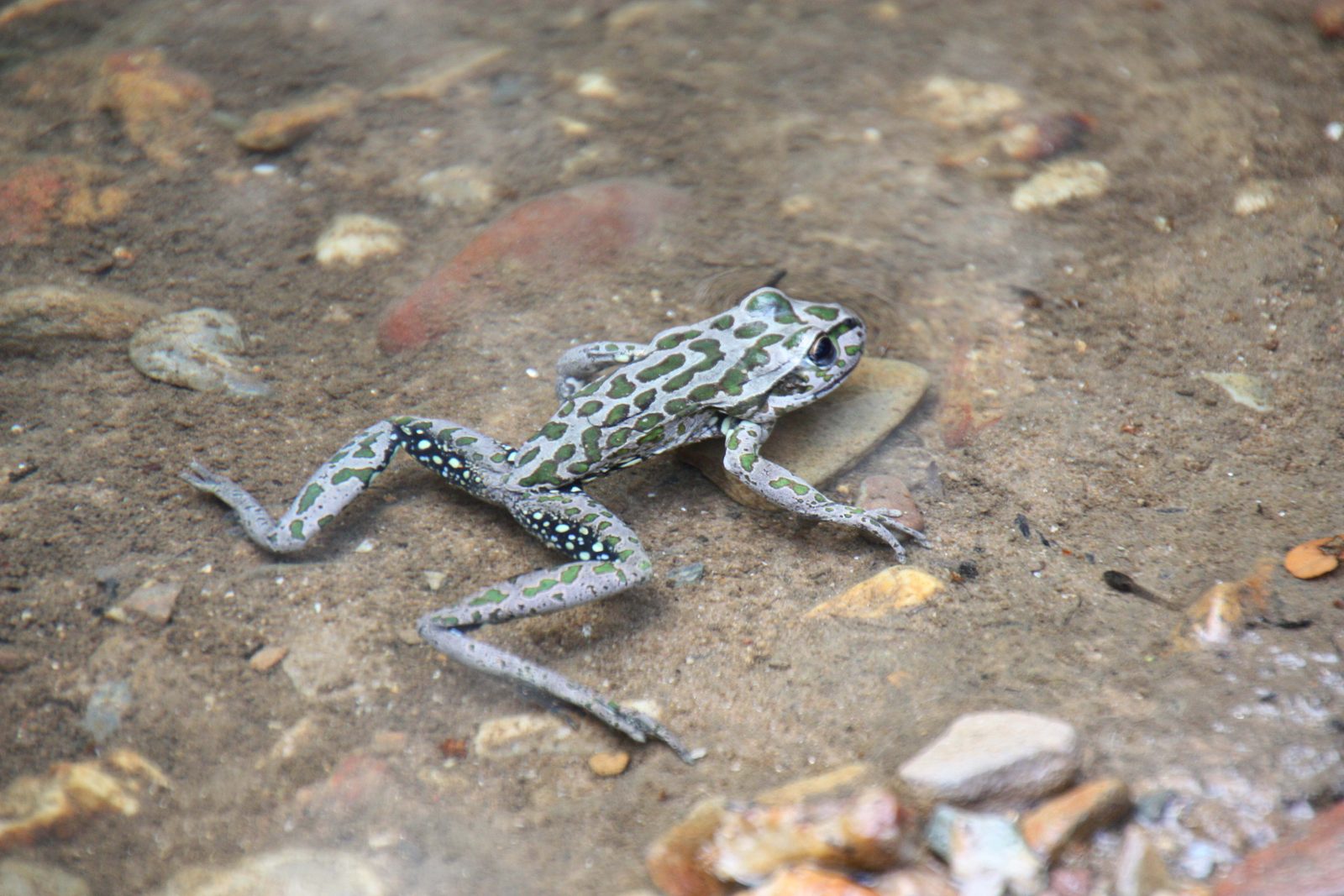
It is relatively rare to see mammals whilst hiking as they are all shy and tend to be nocturnal. You may well see some kangaroos particularly on the plains. It is relatively common to see echidna both on the plains and interestingly on the peaks. I’ve seen them on top of Bluff Knoll as well as on the plains. They particularly like termite mounds. Otherwise, you are more likely to hear animals when you are inside your tent with the lights off. You may well hear noisy kangaroos or possums scrimmaging around outside. There are many snakes in the area and if it is a warm day, particularly in September or later in the season you are highly likely to see snakes. They occur in the peaks as well as on the plains. They tend not to be aggressive, but you should take care and watch where you are walking. I’ve had companions almost tread on several snakes. They should all be viewed as potentially poisonous as most of them are probably Dugites. Usually, they move away as they hear you coming. There are some interesting frogs. You may well see these if you travel by the creeks particularly on the plains.